
The ice is finally off the French River. Your boat’s in the water. But standing in front of your tackle box or inside the Bear’s Den Lodge Tackle Shop, you hesitate… What actually works right now?
Spring fishing isn’t summer fishing in slow motion. It’s a completely different game with different rules, and the anglers who understand this catch fish while others struggle.

Water temperatures from 40–55°F (4–13°C) dictate everything. Fish are hungry after a long winter, but they’re sluggish. Their metabolism hasn’t kicked into high gear yet. This means your lure selection and presentation need to match their energy level. Otherwise, you’ll cast or jig all day without a bite.
Why Spring Fish Behave Differently
Post-spawn fish have one priority: refuel.
But cold water slows their digestion and movement. They won’t chase fast-moving baits across open unstructured water. Instead, they’re hugging shallow warming bays, river mouths, and emerging vegetation where the water is a few degrees warmer and baitfish are concentrated.
Diving deeper into this behavior is your foundation for success:
- Spring Smallmouth Bass Fishing on Ontario’s French River
- Spawning Walleye: What You Should Know
- Ontario Spring Muskie Fishing
The Spring Lure Arsenal: What Actually Produces
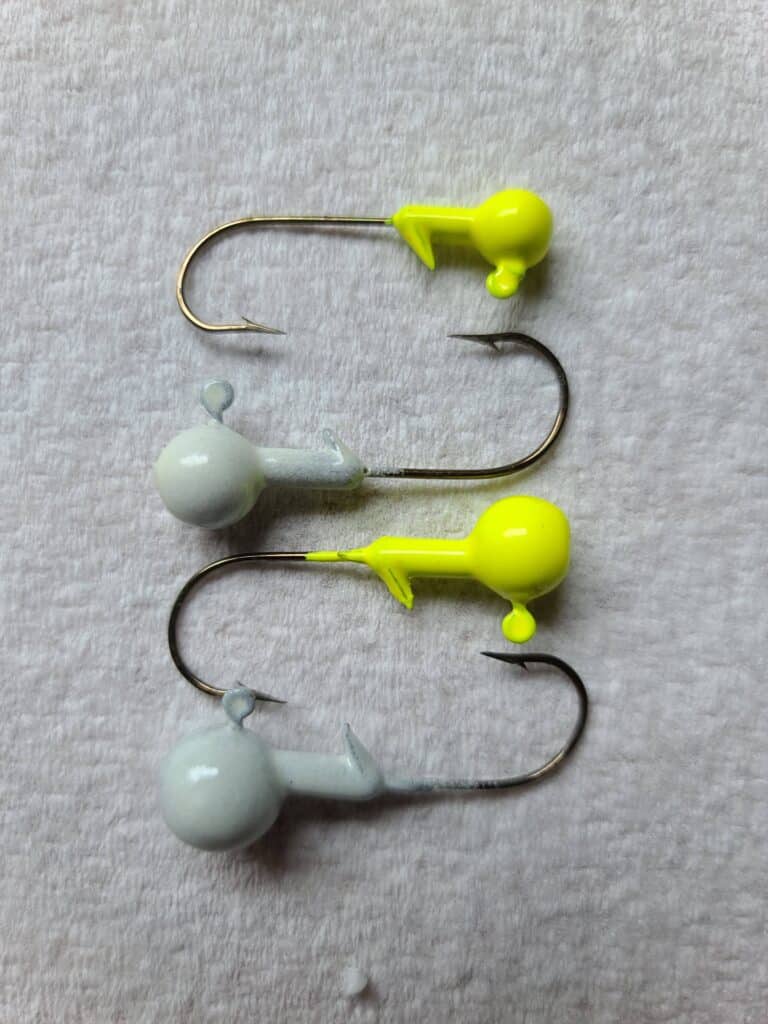
Jigs: The Spring Workhorse
Why they dominate: Jigs get down to the strike zone fast and stay there. You control the pace completely, which is critical when fish want slow and easy forage.
How to Fish Spring Walleye:
- Use 1/8 to 3/8 oz depending on depth and current
- Tip with soft plastics, minnows, nightcrawlers, or leeches
- Vertical jigging beside the boat with slow and smooth lifts and drops. Occasionally pause longer than what feels natural; waiting for the tiny bump on your line.
- Bottom contact is essential with 2 or 3 cranks from the bottom; you may feel every rock and weed
Color selection: Blacks, natural browns, and greens. In stained water of the French River, after runoff, add a chartreuse trailer.
Pro tip: A jig with a live bait sitting still on bottom often outproduces one in constant motion. Count to five between hops.
Walleye-specific tactics:
Soft Plastics: Versatility Wins
Best options: Tubes, grubs, small swimbaits, finesse worms
Why they work: They imitate everything spring fish eat — crayfish, minnows, leeches — and you can fish them agonizingly slow without losing action.
How to Fish Soft Plastics: The Finesse King for Sneaky Bites
Soft plastics are deadly because they mimic real forage with lifelike action and texture—perfect for fooling finicky bass when they won’t chase. Here’s how to make them work for you:
- Rigging Basics: Thread them on jigheads for swimming or hopping along structure, or go finesse with a drop-shot rig to suspend the bait just off the bottom—ideal for suspended or pressured fish that ignore anything moving too aggressively.
- Retrieve Style: Drag slowly across bottom structure like rocks, gravel, or weeds to imitate a crawfish or baitfish scooting along. Add subtle twitches (think tiny rod tip shakes) followed by long pauses—that’s when most bites happen. Fish often hit during the dead-still moment, so stay patient and watch your line for the slightest tick or slack.
- Depth & Weight Tip: In shallower water (under 10 feet), use lighter weights (1/8–1/4 oz) to let the bait fall naturally and flutter more seductively. Heavier setups plow through faster but can spook fish in skinny, clear zones.
Color Selection That Matches Conditions:
- Clear water: Stick to natural, subtle shades like green pumpkin, smoke, pumpkinseed, natural perch, or fire tiger patterns—these blend in and look realistic up close.
- Stained or dirty water: Go bold with white, chartreuse, yellow, bright orange, or high-contrast combos to stand out in low visibility.
Pro Tip: Scent-infused soft plastics (like those with built-in attractants) are a game-changer in cold water. Studies and field tests show fish hold onto scented baits noticeably longer—often giving you extra seconds for a solid hookup when lethargic fish are just mouthing the lure. In chilly conditions, that extended hold time turns short strikes into landed fish!
Cast it out, feel the bottom, twitch… pause… and get ready—the subtle stuff catches the smart ones. Soft plastics aren’t flashy, but they fill limits when nothing else will.
Tips to landing more French River Bass:
Slow-Rolled Spinnerbaits: The Search Bait
When to use them: Warming bays with emerging vegetation, shallow flats 3-8 feet deep.
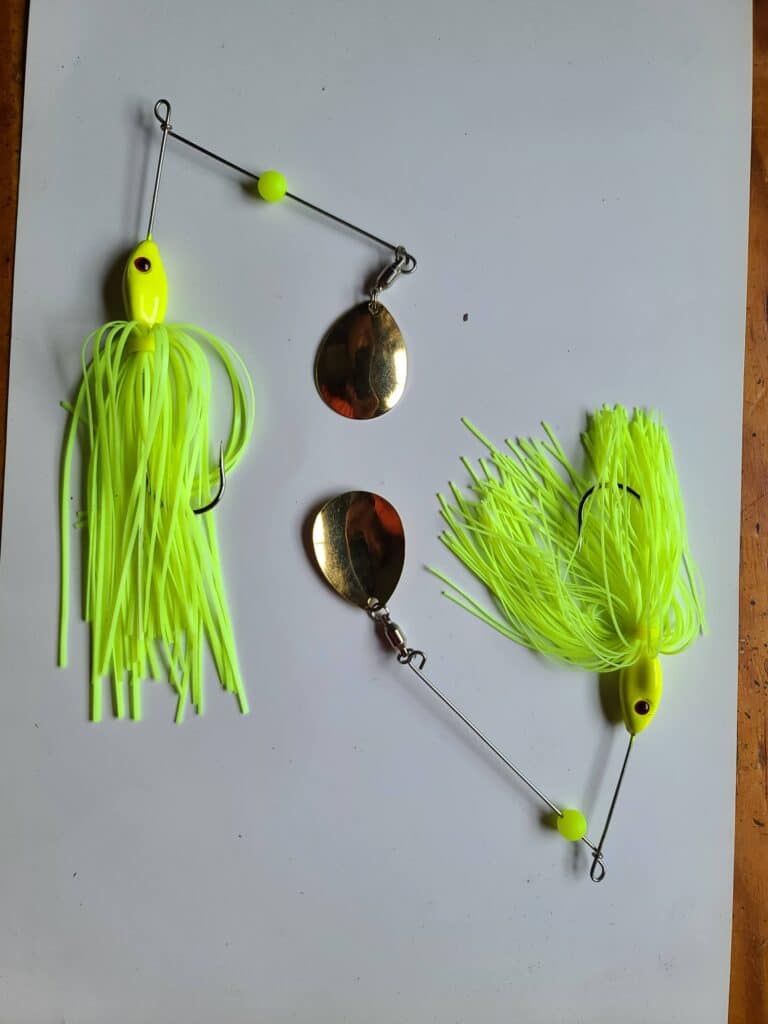
Why they work: The flash and vibration trigger reaction strikes even from lethargic fish. They’re also nearly weedless — perfect for early-season cover.
How to Fish Spinnerbaits:
- Cast and let it sink near bottom
- Retrieve just fast enough to feel the blades thumping
- Bump into cover — the deflection triggers strikes
- Work the same area repeatedly; spring fish don’t move far
Blade selection: For spring fishing an excellent choice are spinnerbaits with Colorado blades. These blades are rounded, deeply cupped spinner blades that deliver maximum low-frequency vibration. They produce powerful, heartbeat-like thump you can feel all the way up your rod. Colorado blades also push a ton of water, creating serious displacement that sends out strong pressure waves.
These blades shine in muddy, dirty, or cold water, where visibility is low. Fish often can’t rely on sight, so they lock onto the heavy vibration through their lateral line instead. That makes them perfect for slow-rolling or other deliberate, low-speed retrieves; especially during low-light conditions, at night, or in stained water when you want to give fish every chance to zero in on your bait.
Spinnerbaits are perfect for scouting more fish when sight isn’t an option. Just let that deep, thumping pulse do the heavy lifting!
Color selection: White/chartreuse in stain, natural perch or shad patterns in clear water.
Pike and muskie tactics:
Shallow-Diving Crankbaits: Covering Water
Best depths: 4-8 feet — where spring fish concentrate
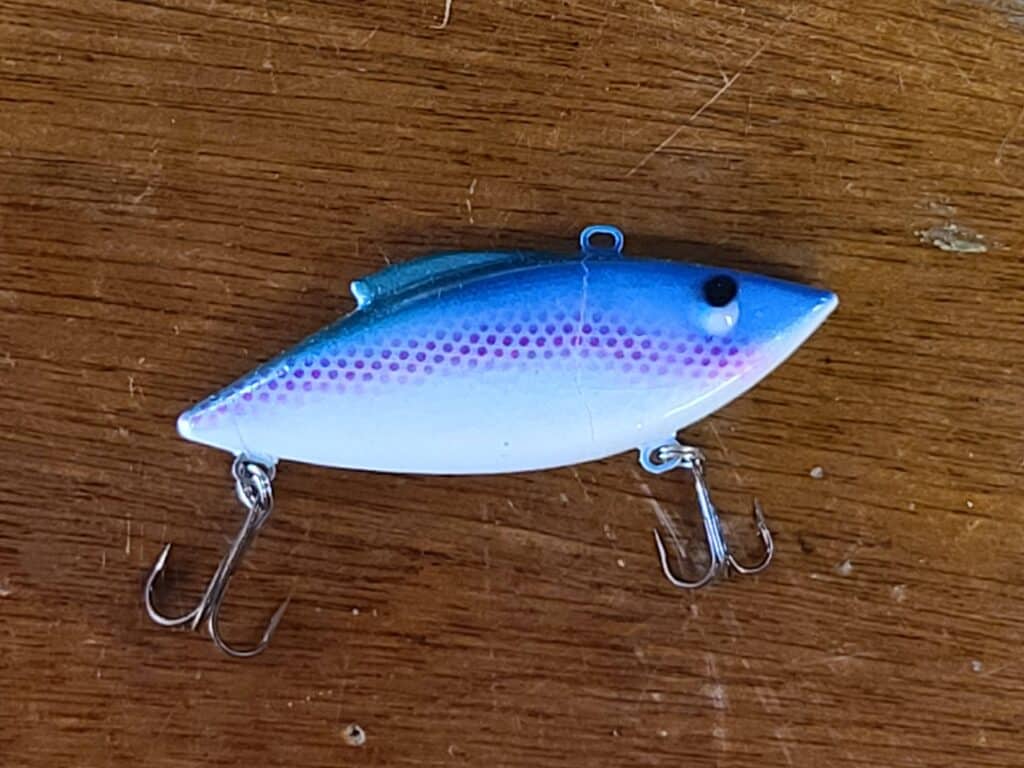
Why they work: They cover water faster than jigs and locate active fish. The wobble and rattle draw strikes.
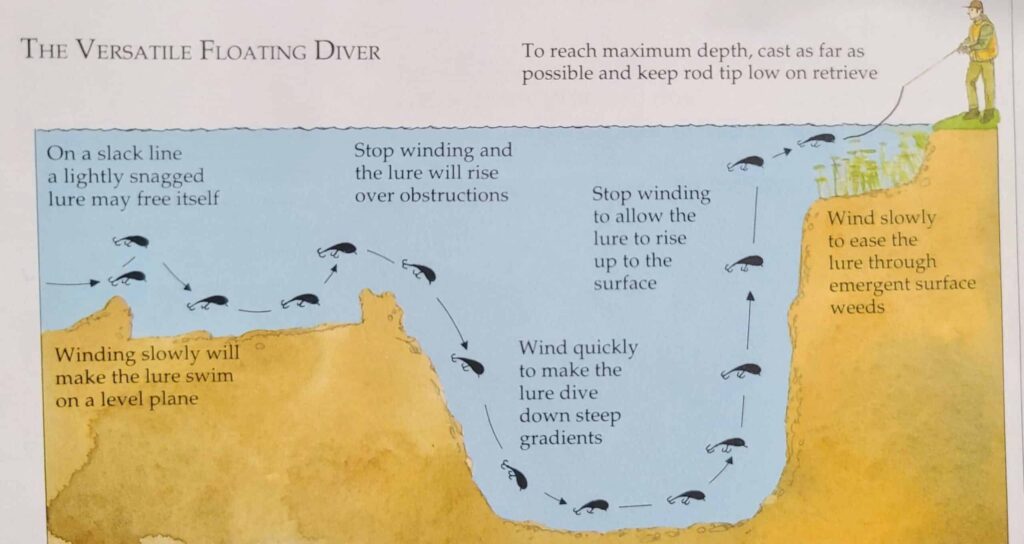
How to Fish Crankbaits Like a Pro:
-
Crankbaits are all about that irresistible wobble—the side-to-side shimmy that screams “easy meal” to bass. Here’s how to make them deadly:
- Retrieve Style: Go with a slow, steady crank—just fast enough to get the bait wiggling or vibrating naturally. No herky-jerky; let the built-in action do the work. Feel that thump through your rod tip? That’s the magic triggering reaction strikes.
- Key Spots to Target: Scout rocks, wood, laydowns, and riprap—the erratic darting and deflecting action when the bait bumps cover is pure gold for provoking aggressive bites. Also zero in on warming shorelines, river mouths, shallow points, and transitions where bass stage or feed as water temps climb.
Action Tip: Wide-wobbling crankbaits (think rounded, fuller bodies and broader bills) push more water and create bigger side-to-side movement—perfect for slightly warming water, stained conditions, or when you need extra flash to draw fish from a distance. In super-cold water, many anglers switch to tighter-wiggling baits for a subtler vibe that matches sluggish fish, but wide action still shines when bass start moving up toward shallows.
Cast it out, feel the pulse, deflect off structure, and hang on—crankbaits cover water fast and turn followers into hooksets!
Walleye essentials:
Spring Color Science: Why Natural Wins
Spring water is typically clearer — winter runoff has settled and summer algae blooms haven’t started. Low sun angles mean light penetrates differently.
Go-to spring colors:
- Brown and green pumpkin: Match crayfish and gobies
- Smoke and translucent: Mimic baitfish perfectly in clear water
- Perch patterns: Imitate the most common spring forage
- Black: High contrast for stained water or low light
The science: Fish vision studies (Douglas, R. H., & Hawryshyn, C. W. (1990). Behavioural studies on fish vision. Journal of Fish Biology) show that in clear, cold water, fish rely heavily on realistic profiles and subtle contrast rather than bright, flashy colors.
Related:
Spring Tactics Cheat Sheet
| Target Species | Best Lures | Top Colors | Key Technique |
| Walleye | Jigs, soft plastics | Natural, chartreuse | Slow drag, long pauses |
| Smallmouth | Tubes, grubs, jigs | Green, pumpkin, brown | Bottom contact, rocky areas |
| Largemouth | Soft plastics, spinnerbaits | Black, white/chartreuse | Emerging vegetation |
| Pike | Slow-rolled spinnerbaits | White/chartreuse, perch | Shallow bays, weed edges |
| Muskie (Opens 3rd Saturday of June) |
Large soft plastics, spinnerbaits | Natural, black | Warm bays, river mouths |
Final Spring Success Quick Tips
- Location trumps lure choice: Find warming water first, then match the lure
- Slow down more than you think: Spring presentations should feel uncomfortably slow
- Upsize slightly after cold fronts: Bigger profile = easier target for sluggish fish
- Use proper knots: Maximize lure action with the right connection (5 Simple Freshwater Fishing Knots)
- Focus on transitions: Where shallow meets deep, where current meets slack water
Broader seasonal strategy:
The spring bite is short but incredible. Master these lure choices and you’ll maximize every day on the water.
Joe Barefoot, MB, Outdoor Writer and Nationally Published Author, Photographer, & Poet. A member of the Professional Outdoor Media Association of Canada.